
How to Give a Love Bite Safely and What to Know Before Trying
Got a love bite (hickey) or planning one? This simple guide explains love bite meaning, safety tips, health risks, expert advice, care, and consent.
Love often speaks without words. Sometimes, it whispers through a gentle touch, a slow kiss, or a quiet moment shared between two hearts. And sometimes, love leaves a small mark—a sign of closeness, desire, and trust. A hickey, or love bite, is one such mark. It may fade from the skin, but the feeling behind it often stays much longer. In moments of passion, these little signs become reminders of connection, intimacy, and being wanted. But even in love’s bold expressions, care, comfort, and consent matter the most.

What Is a Love Bite?
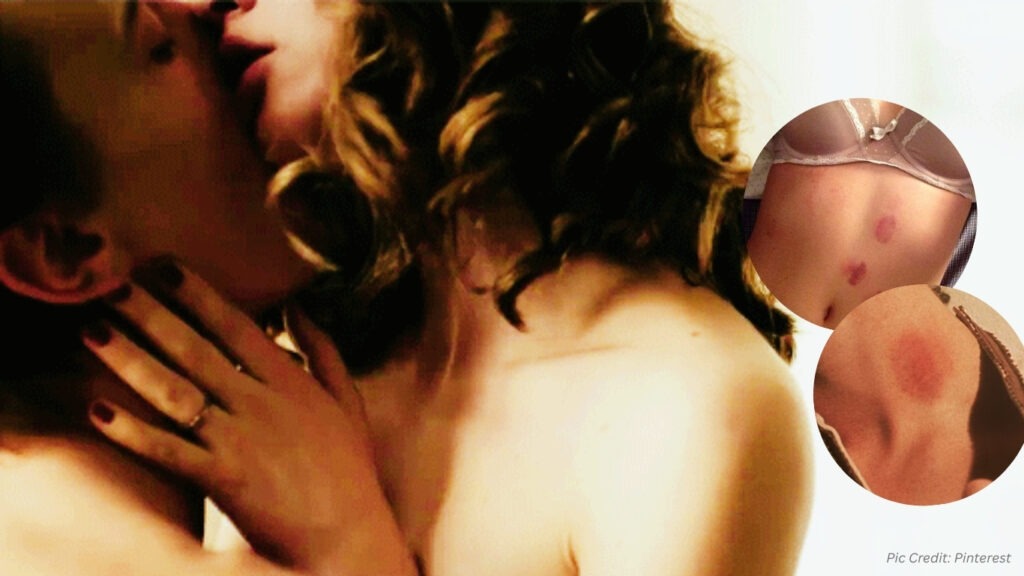
A love bite, also called a hickey, is a small red or purple mark on the skin. It is made when someone sucks strongly on the skin, usually during kissing. This strong suction breaks tiny blood vessels under the skin. Because of this, blood comes to the surface and makes a bruise-like mark. Doctors, including those quoted by WebMD, explain that these tiny broken vessels are called petechiae.
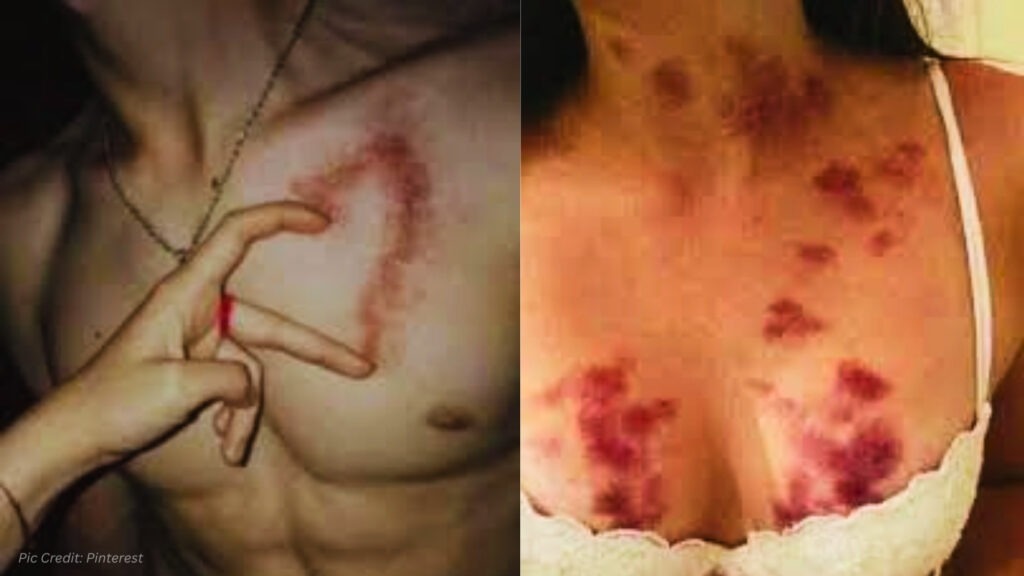
A love bite is often seen on the neck, but it can also be on the collarbone, shoulder, arm, or thigh. It is not permanent. It usually fades on its own in one to two weeks. Even though it goes away, many people remember the moment for a long time.
People give love bites because they feel close, playful, and deeply connected. It can increase excitement and make partners feel bonded. For many couples, it is a private sign that says, “You are special to me.” But the most important rule is consent. Both partners must agree and feel comfortable before anything happens.
Safety First: What Experts Say About Risks
Most love bites are harmless. Health experts, including Healthline, say they do not cause cancer. That is just a myth. In most cases, a love bite is nothing more than a small bruise that fades with time.
However, doctors also explain that there can be rare risks. People who take blood-thinning medicines may get bigger or darker marks that take longer to heal. In very rare cases, a strong love bite near the carotid artery (a major artery in the neck) can cause damage. There was a reported case in 2016 involving a teenager where a blood clot formed, leading to a stroke.
Dr. Theodore Strange, speaking to VICE, explained that strong pressure on the carotid artery can damage the artery wall. This damage can sometimes lead to blood clots. These clots can be dangerous. Still, he clearly said that such cases are extremely rare and that the chance of a single love bite becoming life-threatening is very low. Neurosurgeon Dr. Z also shared online that while love bites are usually safe, in very rare situations and in the wrong spot, they can lead to serious problems.
To stay safe, experts suggest:
• Always get consent: Never surprise your partner. Ask first.
• Pick safe areas: Use soft areas like the side of the neck, collarbone, inner thigh, or shoulder. Avoid the top of the neck near the chin where major arteries are located.
• Be gentle: Do not bite hard. Use suction only. Hard biting can cause injury or infection.
• Watch your body: If you see bruises in other places without reason, or if a love bite becomes very painful, swollen, or forms a lump, see a doctor.
• Keep skin clean: Clean skin lowers the chance of infection.
Sources like the Cleveland Clinic and India Today also say that love bites are safe for most people when done gently and in moderation.
How to Give a Love Bite: Step by Step
Giving a love bite should be slow, romantic, and respectful. Many beauty and lifestyle sources explain it simply.
- Create the mood: Make your partner feel relaxed. Soft lights, music, and close hugs help build the moment. Kiss gently and slowly, especially around the neck, to increase closeness.
- Ask first: Quietly ask your partner if they are okay with it. A clear “yes” matters.
- Choose the spot: Gently tilt your partner’s head to show the area. Soft skin works best.
- Use your lips: Make an “O” shape with your lips. Place them on the skin and suck gently.
- Control the pressure: Suck for about 20–30 seconds. Start softly and increase slowly if needed. You can repeat in the same spot for a darker mark.
- Finish gently: Pull away slowly. You can kiss the spot softly after. This keeps it loving, not painful.
Experts from Teen Vogue and Ro say it should feel playful and exciting, not rough. Kind words and soft kisses make the moment more special.
Also Read: Meet the woman who kept a 14 year extramarital affair secret and never got caught
Taking Care of a Love Bite
Aftercare helps the mark heal faster and feel better.
• First two days: Use a cold compress. Wrap ice in a cloth and apply for 15–20 minutes every few hours. This reduces swelling.
• After two days: Use a warm compress. This improves blood flow and helps the mark fade.
• Natural care: Gently massage the area. Aloe vera gel can soothe the skin. Vitamin K cream and arnica ointment may reduce bruising.
• Pain relief: If needed, acetaminophen can help with pain.
• Other tips: Some say pineapple enzymes may help. Applying pineapple slices a few times a day might reduce bruising.
If the mark lasts longer than two weeks or becomes very painful, it is best to see a doctor.

How to Hide a Love Bite
Sometimes people want to keep their love bite private.
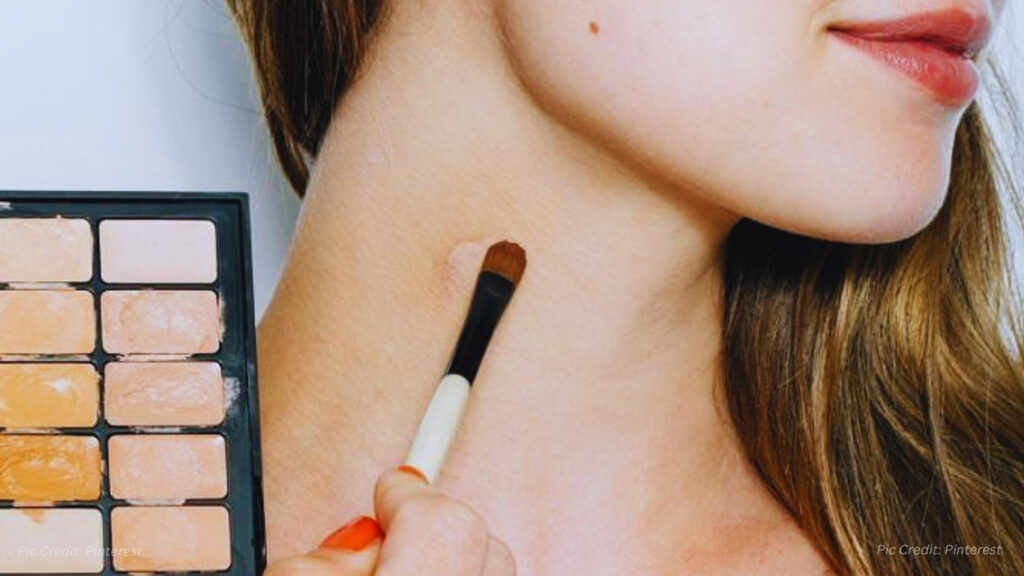
• Makeup: Use green concealer for red marks and yellow concealer for purple marks. Cover with foundation that matches your skin.
• Clothes: Scarves, high-neck tops, collared shirts, or turtlenecks work well.
• Accessories: A small bandage or letting your hair fall over the area can also help.
A hidden love bite can feel like a secret shared only between two people.
Partner Tattoos: Turning Love Into Something Permanent
Some people choose tattoos to show their love. These can be a partner’s name, face, or a symbol that represents the relationship. Tattoos last forever, so this choice should be made very carefully.
Many tattoo artists and online discussions warn that people may regret name tattoos if the relationship ends. Dermatologist Dr. Dustin Portela advises thinking twice before tattooing a partner’s name unless you are ready for a cover-up later.
There are also health risks. These include infections from dirty tools, allergic reactions to ink, and emotional pain if the relationship changes.
To make a safer and smarter choice:
• Pick symbols, not names: Symbols like infinity signs, locks and keys, puzzle pieces, anchors, hearts, or shared quotes feel meaningful without risk.
• Choose small and hidden spots: Ankles, ribs, or behind the ear give privacy.
• Find a good artist: Always go to a licensed studio with clean tools and good reviews.
• Talk openly: Both partners should want it. No pressure.
• Follow aftercare rules: Keep the tattoo clean, moisturized, and out of the sun.
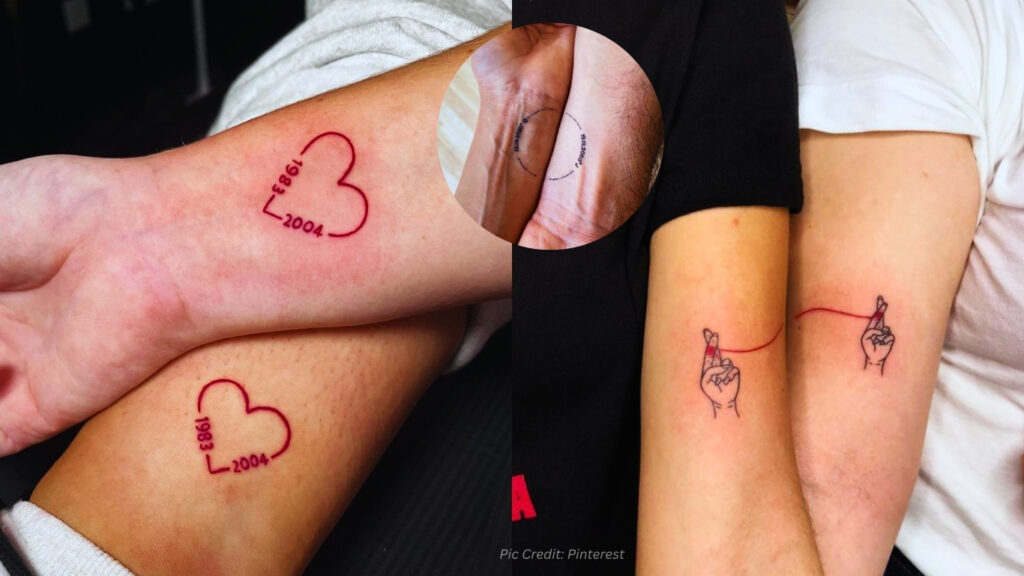
Tattoo artists, including those on TikTok, often say symbols age better than names. Portrait tattoos need very skilled artists, so extra care is needed.
Love can be shown in many ways. A love bite is short-lived but full of feeling. A tattoo is permanent and deeply serious. Both are strong expressions of connection. Whatever you choose, always remember consent, safety, and respect. Love should bring joy, not harm. When done wisely, these marks become beautiful reminders of passion, trust, and shared moments that stay in the heart forever.
Also Read: Why Winter Pulls Us Closer: The Tender Science Behind Cuffing Season
