

What Is Squirting and How to Enjoy It With Your Partner
Learn what squirting really is, why it happens during sex, and how it feels emotionally and physically. This simple guide explores the science, myths, and ways to enjoy squirting with your partner—without pressure, just love and connection.
Squirting is one of those intimate mysteries that people often wonder about but rarely talk about openly. It’s not just something that happens during sex—it’s an experience that blends physical release with emotion, trust, and closeness. It’s your body’s way of expressing freedom and connection, showing how pleasure can be both vulnerable and empowering.
At its core, squirting isn’t about trying to make something happen. It’s about letting your body relax, explore, and respond in its own way. When it does happen, it can feel surprising, exciting, and deeply personal—a reminder that intimacy is about being present, not perfect.
What Squirting Feels Like
Squirting feels like a sudden release from deep inside. It’s not the usual wetness you feel when turned on—it’s more like a gush or spray of clear fluid from the urethra (the same place pee comes from).

Some people feel a strong pressure building up, almost like they need to pee. But when they relax and let go, the fluid flows out, leaving them feeling light, free, and deeply connected.
It can be a small trickle or a big splash. Every body is different. And in moments of love and trust, it can feel like your body is saying, “I feel safe. I feel close. I feel everything.”
Why Squirting Happens
Let’s keep it simple. Squirting happens when certain parts of your body are gently and lovingly stimulated. Here’s how:
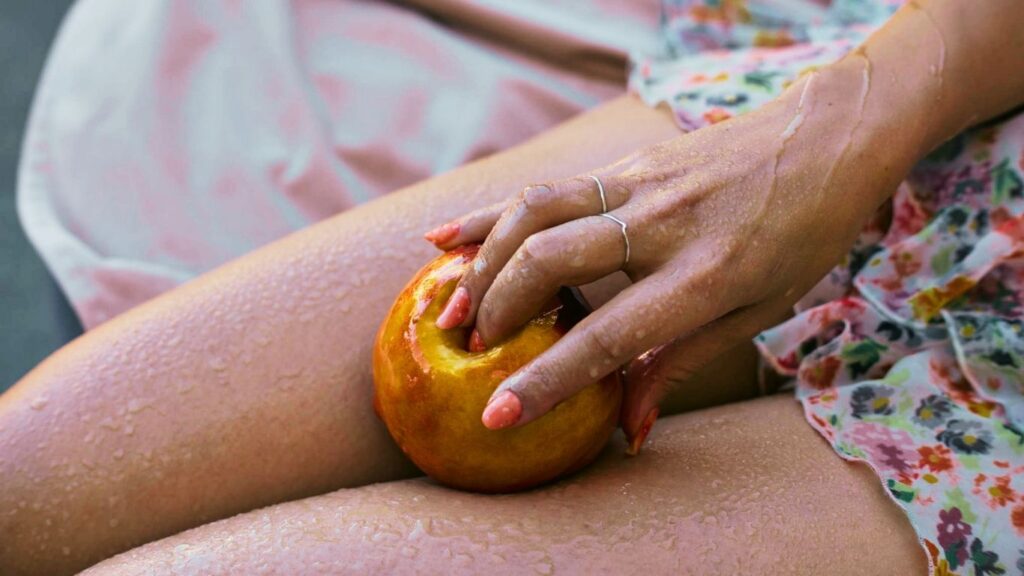
• The G-Spot: Just inside the front wall of the vagina is a soft, spongy area called the G-spot. When touched in a “come here” motion, it can send strong signals to your nerves and glands.
• Skene’s Glands: These are tiny glands near the G-spot, sometimes called the “female prostate.” They help create the fluid that comes out during squirting.
• The Build-Up: As you get more aroused, your bladder fills with a mix of fluid. It’s mostly water with a little bit of natural body chemicals. When the pressure builds and you relax, the fluid is released.
• Letting Go: The key is to relax. If you’re tense, the feeling might go away. But if you trust your partner and let your body lead, the gush can happen naturally.
Common Myths About Squirting
Let’s clear up a few things so you can enjoy the moment without worry:
• Myth: It’s Just Pee Truth: It comes from the bladder, yes—but it’s cleaner and mixed with other natural fluids. It doesn’t smell like pee and it’s part of your body’s pleasure response.
• Myth: Everyone Can Squirt Truth: Not everyone does, and that’s okay. Some people squirt often, some never do. Both are perfectly normal.
• Myth: It Only Happens With Orgasm Truth: Squirting can happen with or without climax. It’s about how your body responds to touch and connection.
How to Explore Squirting Together
Squirting isn’t something you need to chase—it’s something you can welcome with love and patience. Here are a few gentle tips:
• Set the Mood: Soft music, dim lights, and slow kisses can help you relax and feel close.
• Prepare Comfortably: Empty your bladder before play. Lay down a towel or get cozy in the shower or tub. Make space for fun without worry.
• Touch Gently: Use fingers or toys to explore the G-spot. A curved motion toward the belly button works well. Combine it with clitoral touch for extra pleasure.
• Breathe and Trust: If you feel like you need to pee, don’t panic. That’s often the signal that squirting is close. Breathe deeply and let go.
• Celebrate Every Moment: Whether you squirt or not, the closeness and laughter you share are what matter most.
The Gentle Art of Surrender in Love
Squirting is more than just a physical release—it’s a moment of deep connection, trust, and joy. It’s your body’s way of saying, “I feel safe. I feel loved.”
So next time you feel that wave building, don’t hold back. Smile, breathe, and let it flow. Because in love, every drop tells a story—and yours is beautiful.
Also Read: Why You Feel Butterflies in Your Stomach When You’re Deeply in Love
