

“We Can’t Even Afford to Have Sex”: China’s New Condom Tax Sparks Public Anger
China ends a 32-year tax break on contraceptives, adding a 13% VAT on condoms and birth control from 2026 as it tries to reverse falling birth rates.
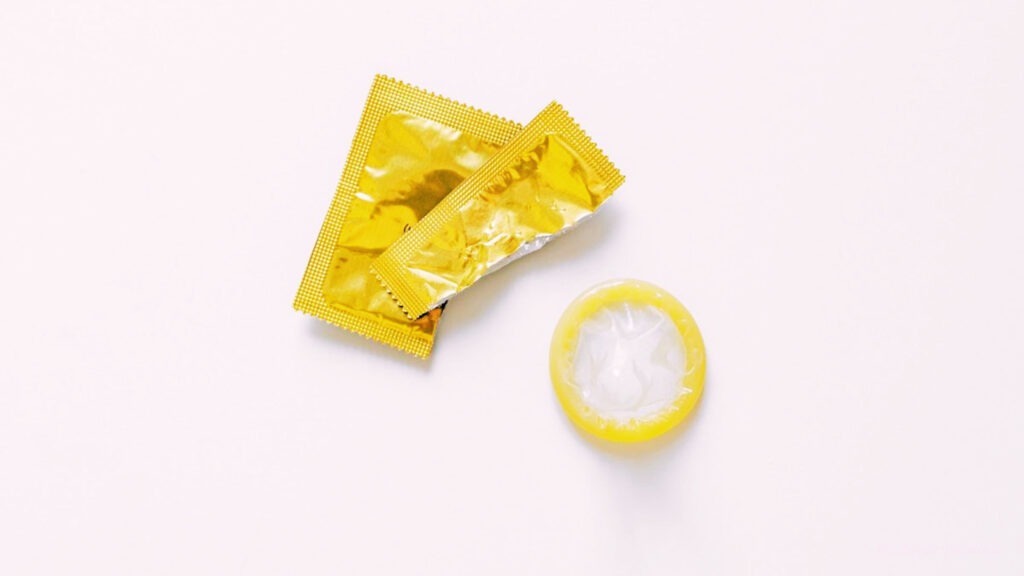
New Delhi: China has introduced a controversial new policy as it struggles with a rapidly shrinking population. From January 1, 2026, the government will impose a 13% value-added tax (VAT) on condoms, birth control pills, and other contraceptive products.
This decision ends a 32-year tax exemption that began in 1993, when China was enforcing the one-child policy and actively discouraging childbirth. At that time, contraceptives were often free or heavily subsidized. Today, the situation has reversed—China now wants more babies, not fewer.
Why China Is Changing Its Policy
China’s population has declined for three consecutive years, with 2024 marking another drop. Birth rates have fallen sharply from 18 births per 1,000 people in the 1980s to just 6 per 1,000 today.
At the same time, the country faces a serious aging crisis. By 2035, more than 400 million Chinese citizens will be aged 60 or above, placing heavy pressure on pensions, healthcare, and the workforce that drives the economy.
Government officials say the new tax reflects a broader shift—from controlling population growth to encouraging childbirth. Demographer He Yafu has described the move as “reasonable” in the post one-child-policy era.
How the Tax Will Affect Prices
For consumers, the impact will be noticeable but not extreme. A pack of condoms that currently costs 40–60 yuan ($5.70–$8.50) may become up to 8 yuan more expensive under the standard VAT rate.
Morning-after pills, priced between 10 and 50 yuan per dose, will also rise in cost. IUDs and contraceptive implants, which were previously tax-free, will now be taxed as well.
While these increases may seem small, they matter in a country where raising a child can cost over 1 million yuan from birth to college. The government’s logic is clear: by making contraception slightly more expensive, couples may be more inclined to have children.
Linked to a Wider Pro-Birth Initiative
The tax change is not a standalone decision. It was announced in December 2025 as part of China’s revised Value-Added Tax Law and fits into a much wider pro-birth campaign.
To support families, China has made childcare services tax-free, along with marriage matchmaking services and elder care. These exemptions are meant to ease financial pressure on young couples and multi-generation households.
In addition, the government has launched a 90 billion yuan ($12.7 billion) childcare subsidy program. Families will receive 3,600 yuan per year for each child under the age of three, starting this year. By 2026, all childbirth medical costs will be fully covered by the state. Public campaigns are also promoting marriage and larger families.
Experts Doubt the Tax Will Increase Births
Despite the government’s confidence, many experts remain unconvinced. Mei, writing for TIME magazine, argues that the tax is unlikely to change people’s decisions about having children.
According to analysts, the real barriers are high housing costs, long working hours, job insecurity, and poor work-life balance. Simply raising the price of contraception does little to address these deeper issues.
Public Backlash Grows Online
Public reaction has been strong and largely negative. On Weibo and RedNote, many users mocked the policy. One person wrote, “We can’t even afford to have sex anymore.” Another joked, “I’ll stock up on condoms for the rest of my life.”
On X, the story has spread globally, with viral comments like “Atheist China is pro-life now.” Critics argue that the policy unfairly affects women, single people, students, and low-income workers, while reviving memories of past government control over reproductive choices.
Also Read: Want to Be the Man She Can’t Stop Thinking About? Start Here
Health Experts Raise Serious Concerns
Medical professionals are also worried about unintended consequences. In China, 97% of new HIV cases are linked to sexual activity. Higher prices for protection could lead to more infections and unplanned pregnancies, especially among young people and those with limited income.

BBC analyst Levin warns that making essential health products more expensive is risky and could harm public health in the long run.
A Policy Full of Irony
There is a strong irony in China’s approach. For decades, the government aggressively promoted contraception—often distributing it for free through family planning offices. Now, those same products are being taxed to encourage childbirth.
Many demographers believe the policy is largely symbolic and unlikely to reverse the population decline. Without deeper reforms—such as affordable housing, shorter workweeks, gender equality in childcare, and stronger family support systems—the impact may be minimal.
Brave Gamble or Risky Error?
China’s new condom tax highlights the tension between personal choice and national necessity. As Beijing tries to steer young people toward parenthood, the rest of the world is watching closely.
Will this tax help spark a baby boom—or will it deepen frustration and resentment? One thing is certain: when governments step into private life, the results are never simple.
Is this a bold move—or a serious miscalculation?
Also Read: Study Exposes the World’s Most Popular Time people watch Porn
