
Love at First Bite: How a Kiss Transfers Millions of Microbes
A 10 second kiss swaps millions of microbes—science reveals how intimacy boosts immunity, gut health, and deepens connection.
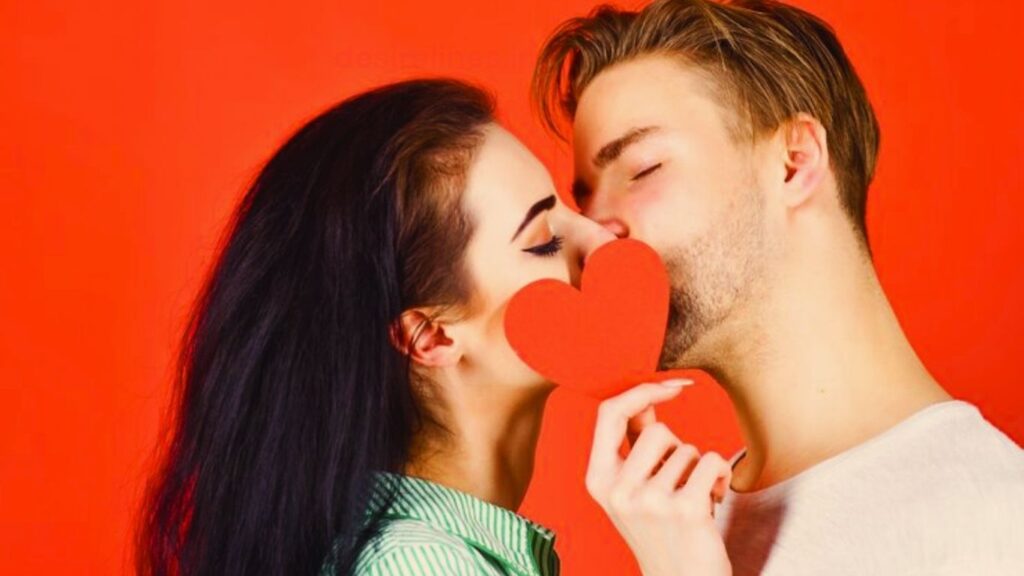
A kiss is often described as the ultimate symbol of romance, passion, and intimacy. But behind the fluttering hearts and sparks of connection lies a hidden biological drama. According to researchers, a single 10 second kiss can transfer up to 80 million bacteria between partners. Far from being a cause for alarm, this microbial exchange is a remarkable example of how love and biology intertwine.
How Science Uncovered the Secrets of Smooching
In 2014, Dutch scientists conducted a groundbreaking experiment involving 21 couples. They swabbed participants’ mouths before and after kissing and discovered that each intimate kiss triggered a massive transfer of bacteria. Couples who kissed frequently—up to nine times a day—were found to have strikingly similar oral microbiota, meaning their microbial communities had begun to synchronize.
This finding highlights that kissing is not just emotional or cultural; it is a biological act of sharing. Our bodies host trillions of microorganisms, and the mouth alone contains more than 700 different species of bacteria. These microbes are not freeloaders; they play essential roles in digestion, immunity, and oral health.

Microbes: The Hidden Orchestra of the Body
Scientists estimate that microbial cells in and on our bodies outnumber human cells by nearly ten to one. In other words, we are more microbial than human. These organisms form a vast ecosystem, sometimes referred to as the human microbiome, which influences everything from metabolism to mood.
When we kiss, we essentially allow our microbiomes to mingle. This microbial handshake can:
• Strengthen immunity by exposing us to new bacteria.
• Balance gut health, since oral microbes can travel further into the digestive tract.
• Protect teeth and gums, as beneficial bacteria help fend off harmful strains.

The Biological Fingerprint of Love
One of the most intriguing discoveries is that couples who kiss regularly develop a shared microbial profile. Their oral bacteria begin to resemble each other, creating a biological fingerprint unique to their relationship. This synchronization is more than symbolic—it reflects how bodies adapt and evolve together over time.
Think of it as a cellular high five: every kiss nudges your microbiome closer to your partner’s, weaving a deeper biological bond.
Kissing Across Cultures
While kissing feels universal, anthropologists note that not all cultures practice it in the same way. In fact, some societies historically avoided mouth to mouth kissing altogether. Yet where it is common, kissing often carries profound symbolic weight—signifying trust, intimacy, and even social status.
The science now adds another layer: kissing is not just cultural but evolutionary. By sharing microbes, humans may have strengthened their immune systems and improved survival chances. Some researchers suggest that kissing evolved as a way to test compatibility, both emotionally and biologically.
Also Read: Romance Hits Different in a Car — Here’s How to Pull It Off Perfectly
Beyond Romance: Medical Insights
The study of kissing has also opened doors to medical research. Scientists are exploring how microbial exchanges influence:
• Disease transmission: While most bacteria exchanged are harmless, kissing can spread viruses like Epstein Barr (mononucleosis) or influenza.
• Microbiome therapies: Understanding how microbes transfer could help design treatments that restore healthy bacterial communities.
• Personalized medicine: Couples’ shared microbiomes may one day inform approaches to nutrition and immunity.
In recent years, social distancing and heightened awareness of germs have made physical closeness feel risky. Yet the science of kissing reminds us that intimacy has health benefits too. Regular exposure to diverse microbes can strengthen resilience, much like how children benefit from playing outdoors.
Instead of fearing bacteria, researchers encourage us to see them as allies. Kissing, in this sense, becomes a natural way of enriching our microbial diversity.
Every kiss is more than a romantic gesture—it’s a microbial tidal wave, a transfer of millions of tiny organisms that help shape our health and deepen our bonds. Far from being dangerous, most of these microbes are beneficial, acting as silent guardians of our bodies.
So the next time you lean in for a kiss, remember: you’re not just sharing affection. You’re swapping stories at the cellular level, building resilience, and creating a biological fingerprint unique to your love. In a world obsessed with distance, kissing proves that closeness is not only good for the heart—it’s good for the body too.
Also Read: $1,400 to Have Sex in a Hot Air Balloon? California Says YES, and Couples Are Lining Up
