

Struggling to Last Longer in Bed? Here’s What Causes Premature Ejaculation and How to Treat It
Learn what causes premature ejaculation and how to treat it with medical, psychological, and natural solutions for better sexual control.
New Delhi: Let’s be real—sex can be complicated. And when it ends too soon, it can leave both partners feeling frustrated, disconnected, or even ashamed. Premature ejaculation (PE) is one of the most common sexual issues men face, yet it’s still wrapped in silence. In 2025, though, that silence is finally breaking. With new research, better treatments, and more open conversations, men are learning that PE isn’t a personal failure—it’s a treatable condition. If you’ve ever felt like you finish too fast and wish you had more control, this guide is for you.
What Exactly Is Premature Ejaculation?
Premature ejaculation happens when a man ejaculates sooner than he or his partner would like during sex—often within one minute of penetration. It’s not just a one-time thing; for it to be considered PE, it usually needs to happen in most sexual encounters over a period of at least six months.

According to the Cleveland Clinic, PE is the most common sexual dysfunction in men, affecting up to 30–40% at some point in their lives. And when you include milder or occasional cases, that number could be as high as 75%.
There are two main types:
• Lifelong PE – present since a man’s first sexual experience, regardless of partner or situation.
• Acquired PE – develops later, often linked to stress, health changes, or relationship issues.
While it’s more frequent in men under 40, recent data shows it affects all age groups. A 2024 study found that African American men reported higher rates (34%) than Hispanic (27%) and White men (29%).
Why Does It Happen? It’s Not Just in Your Head
A major myth is that PE is only psychological. In truth, it often results from both mental and physical factors.
Psychological causes include:
• Performance anxiety – pressure to “last longer” can backfire and cause early climax.
• Stress and depression – emotional strain reduces stamina.
• Past negative experiences – shame, trauma, or relationship tension can trigger the condition.
Biological causes include:
• Low serotonin levels, which affect mood and ejaculation control.
• High penile sensitivity or hormonal imbalances such as hyperthyroidism.
• Medical issues like diabetes, prostate inflammation, or even genetic factors.
Research in 2024 revealed that erectile dysfunction (ED) and PE often occur together, creating a cycle—worrying about erection loss increases anxiety and worsens PE.
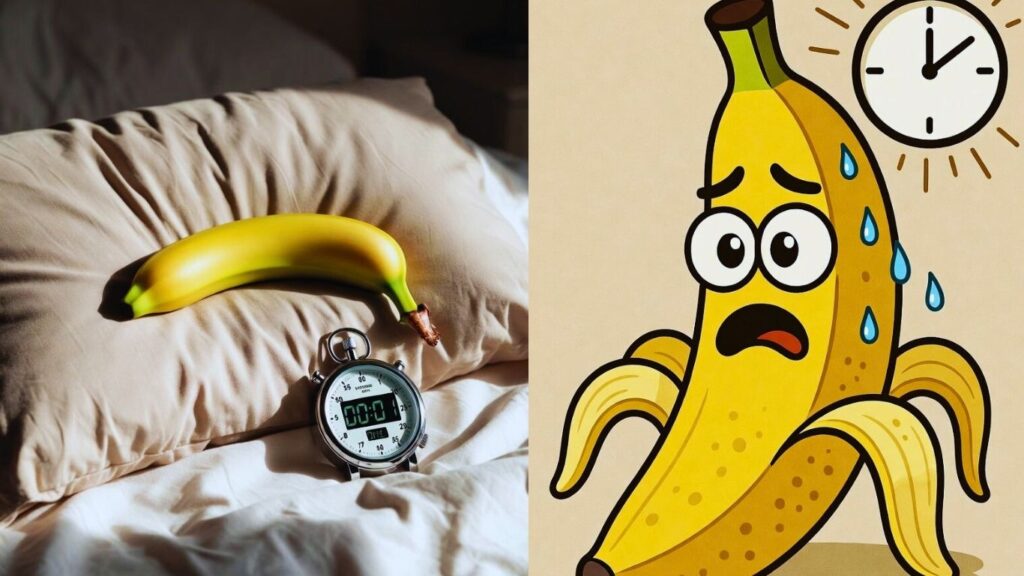
Other contributors include lack of sleep, alcohol consumption, and certain medications that lower serotonin. Researcher Patrick Jern noted that although causes vary, “anxiety and serotonin imbalances are key factors.”.
How Do You Know If You Have It?
The main sign of PE is ejaculating within one minute of penetration in most sexual encounters. But it’s not just about the stopwatch—it’s about how it makes you feel. If it causes distress, embarrassment, or relationship problems, it’s worth addressing.
Many men with PE avoid sex altogether or feel anxious just thinking about it. Some feel like they’re letting their partner down, while others struggle with low self-esteem. Urologist Dr. Michael Lowy explains, “The condition was very distressing, but men usually suffered in silence.” That silence can lead to deeper issues like depression, anxiety, or even relationship breakdowns. But the good news? It doesn’t have to be that way.

A Simple Guide to Getting Diagnosed
If you think you might have PE, the first step is talking to a doctor—usually a urologist or sexual health specialist. They’ll ask about your sexual history: When did it start? Does it happen with all partners? Are there any other health issues involved?
They might use a stopwatch to measure your intravaginal ejaculatory latency time (IELT), or they may ask you to fill out a short questionnaire based on DSM-5 or ISSM guidelines. Lab tests are rare unless there’s a reason to suspect a thyroid problem or infection. The goal is to rule out other causes and figure out the best treatment for you.
Treatments That Actually Work in 2025
Here’s the encouraging part—PE is highly treatable. Up to 85% of men see improvement with the right approach.
1. Behavioral Techniques:
• Start–Stop Method: Stimulate until near climax, pause for 30 seconds, then resume.
• Squeeze Method: Gently squeeze the penis head to reduce arousal.
• Kegel Exercises: Strengthen pelvic floor muscles—shown to help in 64% of cases.
Even using thicker condoms or longer foreplay can reduce sensitivity.
2. Therapy and Counseling:
If anxiety or relationship issues contribute to PE, therapy helps.
Techniques like sensate focus allow couples to reconnect without pressure, and open communication with a therapist can rebuild confidence.
3. Medications:
• SSRIs (like paroxetine or dapoxetine) raise serotonin levels and delay ejaculation—often doubling or tripling IELT.
• Topical sprays with lidocaine reduce sensitivity.
• When PE coexists with ED, combining treatments with Viagra (sildenafil) may help.
4. Emerging Innovations:
Recent studies are transforming treatment:
• A March 2024 review in Nature discussed electrical stimulation devices that help delay ejaculation without drugs.
• A September 2025 clinical trial found peripheral electrical stimulation significantly improved control time.
• The European Association of Urology’s 2025 guidelines now support multimodal care, including herbal-SSRI combinations like Chaihu-Shugan-San with paroxetine for acquired PE.
• A global 2025 survey found early intervention leads to better long-term outcomes.
As Professor Stanley E. Althof noted, “With a conservative evidence-based definition, regulatory agencies now recognize premature ejaculation as a genuine medical condition, not a lifestyle issue.”
You’re Not Broken—And You’re Not Alone
Premature ejaculation doesn’t define your masculinity, your worth, or your ability to connect with a partner. It’s a common, treatable condition backed by decades of research and new breakthroughs. Whether you try simple exercises, talk to a therapist, or explore the latest tech, there’s a path forward.
The first and most crucial step is starting the conversation. Talk to your partner, consult your doctor, and seek support. Reliable resources — from the International Society for Sexual Medicine to local urology clinics — are there to help you navigate everything.
Because lasting satisfaction isn’t just about time—it’s about confidence, connection, and control. And in 2025, you’ve got more tools than ever to reclaim all three.
Also Read: Is Vulva Tingling Normal? The Sexy Signs vs. The Serious Warnings
